Security officer uniforms
A good security uniform does two jobs: it makes the officer instantly recognizable, and it holds up to long shifts on their feet. The right pieces depend on the post. Here's how we outfit each one.
The classic uniform: security shirt and pants
For contract security, campuses and property management, the traditional look is still the most recognized: a security shirt with shoulder epaulets and pocket flaps, worn with flat-front uniform pants. Navy, black and white are the standard colors, and many companies use white shirts for supervisors.
- Shirts: polyester security shirts hold their color and press through daily washing. Order short and long sleeve so officers can switch with the season.
- Pants: flat-front polyester pants look sharp and match across reorders. Women's cuts fit far better than unisex sizes.
- Layers: a uniform sweater with shoulder and elbow patches keeps the look consistent on cold posts.


Tactical and patrol
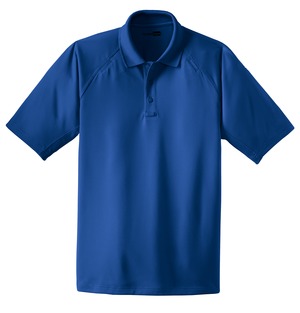
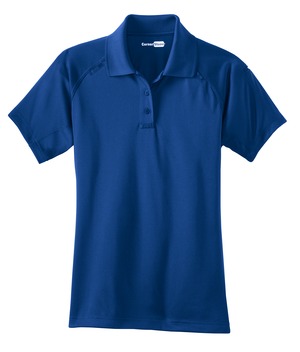
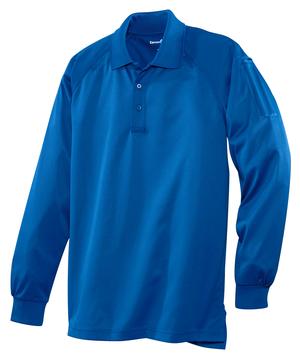
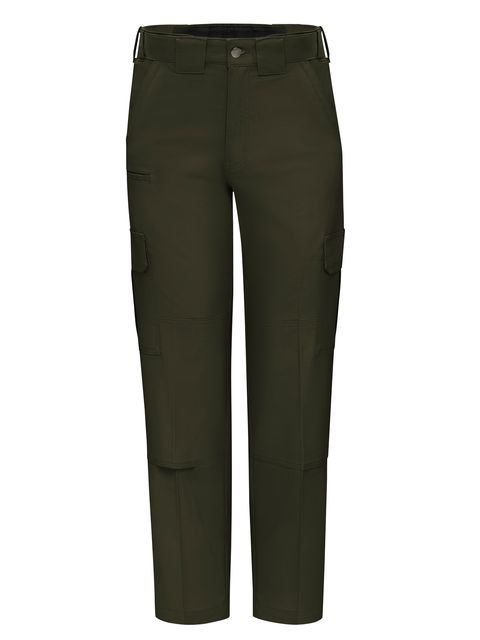
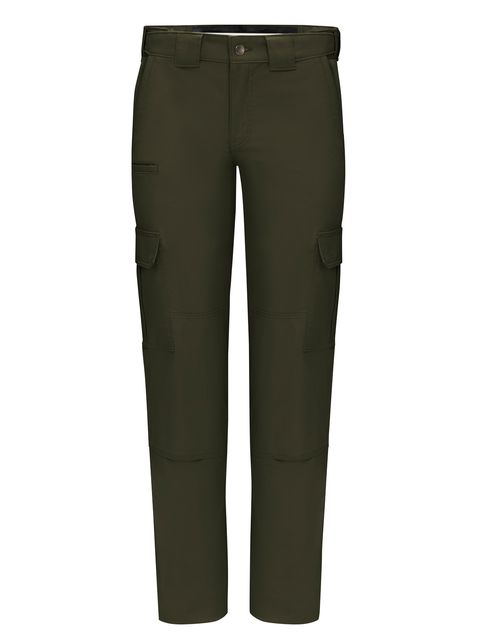
Mobile patrol, armed posts and event teams often prefer a tactical look: a snag-resistant polo with a pen pocket and mic loops, worn with ripstop cargo pants. It moves better than a dress shirt and still reads as security.
- Snag-proof fabric resists pulls from duty belts, radios and fences.
- Cargo pants with secure pockets carry flashlights, notebooks and phones.
- Moisture-wicking polos matter for outdoor posts in warm climates.

Front desk and concierge
Lobby officers in corporate and residential buildings usually wear a softer look that fits the building: a blazer or sweater over a dress shirt, or a quality polo with an embroidered logo. The goal is approachable and professional, while still clearly staff.
- Embroider the company or property logo on the left chest, with "SECURITY" on the sleeve or back if the post needs it.
- Match colors to the building's other staff so the lobby looks coordinated.
Outerwear
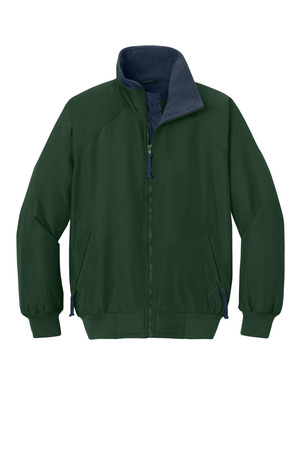
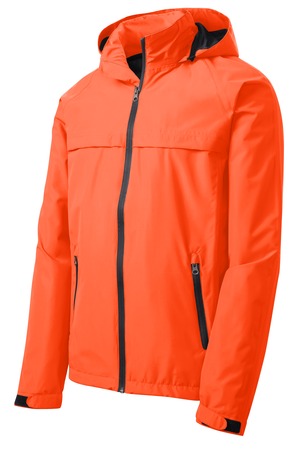
Officers on outdoor posts need a jacket they can wear all shift. A water-resistant jacket with room for a fleece underneath covers most climates; a fully waterproof shell is worth it in rainy regions. Choose a jacket with enough flat space on the back for "SECURITY" lettering.
Parking, traffic and event perimeters
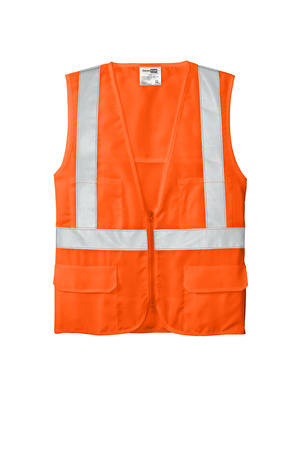
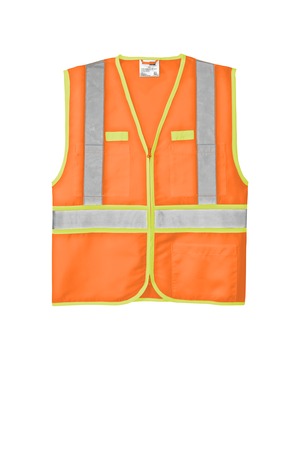
Officers who direct traffic or work near moving vehicles need high-visibility garments. A hi-vis vest over the regular uniform is the simplest option, and a breakaway vest is safer for officers who could be grabbed. See our hi-vis guide for which ANSI class each post needs.

Patches, badges and lettering
- Shoulder patches are the standard for security companies. One patch design can go on shirts, jackets and sweaters, so every piece matches.
- "SECURITY" lettering across the back of jackets and vests, in reflective material for night posts.
- Embroidered names or name tapes over the pocket help with accountability.
- Badge tabs on security shirts are built in, so a metal or embroidered badge sits straight.
The decoration guide compares patches, embroidery and heat transfers in detail.
Starter checklist per officer
- Shirts or polos: enough for every shift in a week, plus one spare.
- Pants: three pairs for full-time officers.
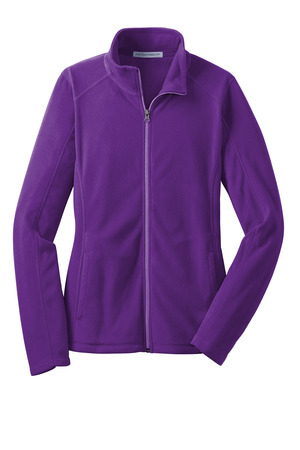
- Outerwear: one jacket, plus a sweater or fleece for cold posts.
- Hi-vis: one vest for any officer who works near traffic.
- Spares: keep a small stock of common sizes for new hires. Our guide to how many uniforms to order has more detail.